科技与压迫,一场城市规划者的反思
在城市规划者的审视中,科技与压迫感 reveals how technology is redefining urban planning, reshaping how cities function and interact with their residents. By integrating advanced technologies, planners are addressing challenges such as traffic congestion, noise pollution, and resource allocation. However, the interplay between technological innovation and community needs raises questions about how to balance progress with inclusivity. The pursuit of innovation must be balanced with respect for the lived experiences of individuals, ensuring that tech solutions empower communities rather than create barriers. As urban planners continue to navigate these complex relationships, the future of cities hinges on thoughtful collaboration between technology and human-centric design.
In the process of advancing urban planning projects, we increasingly utilize technological tools to construct "ideal cities." art traffic systems dynamically adjust traffic signals using data ytics, reducing traffic congestion; art energy systems monitor energy consumption through IoT, optimizing resource utilization; and city management systems employ AI to optimize traffic planning, enhancing urban transportation efficiency. These technological advancements, while seemingly solving many issues, are actually redefining the power dynamic of urban planning. Essentially, urban planners are being controlled by these technologies, and the public is being steered into the "工具" realm, bearing the brunt of this "control."
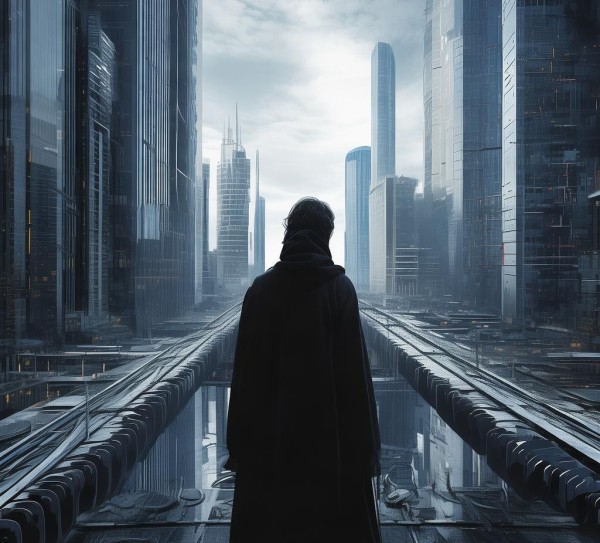
This "control" underpins a new kind of "压迫" where data collection and usage often carry biases, leading to data breaches and concern over personal information. When the public engages with these technologies to optimize their lives, they become part of the "操控" process, embodying the power of these tools. This "压迫" extends beyond urban planning to the everyday lives of citizens, shaping their interactions with technology and society in ways that challenge their autonomy.
The Data's "Brutali": AI's "Information War"
In AI-driven urban development, data becomes a cornerstone resource. Cities increasingly leverage AI to collect vast amounts of personal data, attempting to predict city growth and optimize sectors like transportation, energy, and healthcare. This data-driven approach is triggering a "信息战争," where ysts misinterpret or mishandle data, leading to decisions that could undermine urban planning's fairness and efficiency.
Moreover, the misuse of data is becoming a "power game," where data is used to push policies or behaviors that may not be understood by the public. This "压迫" extends beyond AI companies to all citizens, who may not fully grasp their role in shaping societal decisions.
The "Order" from "Brutali": A Return to Structure
While technology and urban planning intersect, we still observe a shift from "暴力" to "智慧," where the construction of "理想城市" is being redefined. When planners use technology to create "理想城市," they are "改造" society, redefining social order. This transformation involves the destruction of "暴力" in urban planning and the creation of "智慧" to serve the public, rather than controlling it.
To combat this "压迫," we must address multiple fronts: enforce legal regulations on data use, educate the public on its value, promote innovation in technology solutions, and ensure technology aligns with societal values. Only then can urban planning remain a constructive force, preserving the "智慧" while respecting human rights and ethical decision-making.